Life Within our Aquifers
When we think of biodiversity, we often picture forests, grasslands, rivers, and wetlands. But some of the most unique—and most fragile—life thrives out of sight, in groundwater-dependent ecosystems: subterranean caves, underground rivers, karst springs, and the thin “in-between” zones where groundwater and surface water meet.
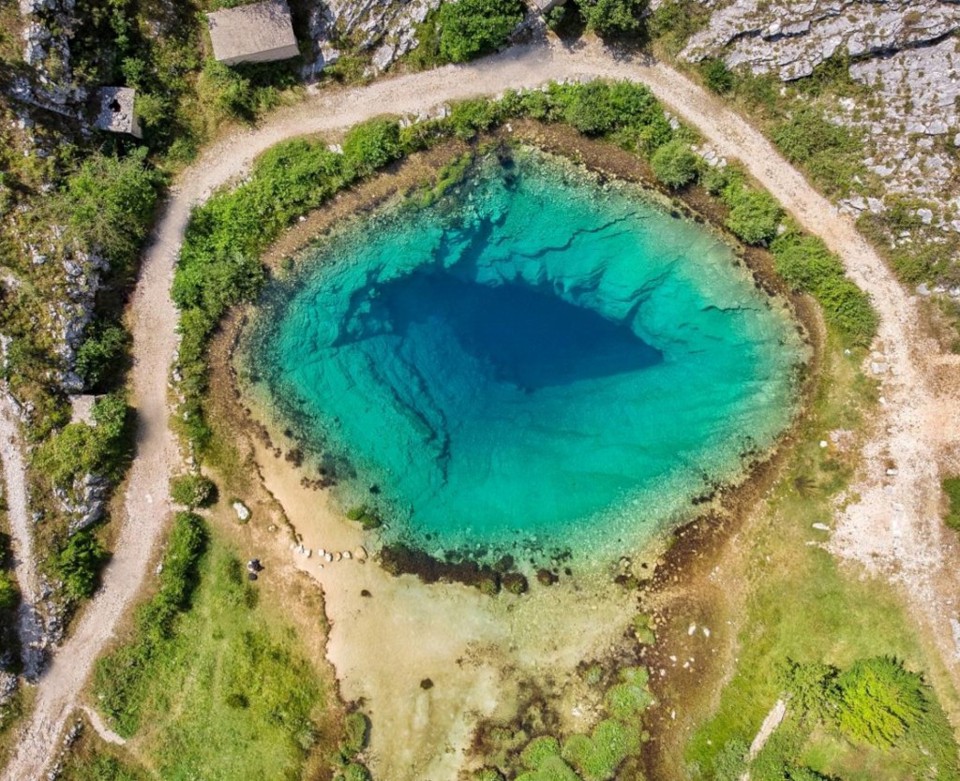
In the Dinaric Karst Aquifer System of the Western Balkans, groundwater is not just a resource—it is the lifeblood of entire landscapes. Rain and snowmelt seep into fractured limestone and move through a maze of underground channels. In many places, streams vanish into sinkholes, travel unseen, and re-emerge elsewhere as powerful springs. These “hidden groundwater” systems sustain drinking water, local economies, and a remarkable web of life adapted to darkness and stable conditions.
A DIKTAS II project biodiversity specialist puts it simply: “In karst aquifer systems, what happens on the surface doesn’t stay on the surface.” Pressures can travel fast through underground pathways—so protecting biodiversity also means protecting the groundwater systems and connections it depends on.
Hidden ecosystems, exceptional biodiversity
Groundwater-dependent ecosystems (GDEs) are often described in three broad categories: groundwater-dependent aquatic associated ecosystems, groundwater-dependent terrestrial ecosystems, and subterranean ecosystems. All of them host specific biodiversity, and in karst landscapes they are closely connected.
In practice, this includes cave habitats, underground rivers and lakes, springs, river corridors where groundwater feeds rivers “from below,” wetlands that rely on groundwater inputs, and terrestrial ecosystems whose vegetation depends directly on groundwater. In karst regions, water can shift from surface to underground and back again multiple times along its path—connecting ecosystems across valleys and, often, across national borders.
The Dinaric region is considered one of Europe’s hotspots for subterranean biodiversity. Underground habitats can host specialized fauna such as amphipods, isopods, copepods, cave snails, oligochaetes, and other highly adapted invertebrates—many of them endemic and found nowhere else. Flagship species like the olm (Proteus anguinus) who inhabits the Škocjan Caves (UNESCO World Heritage Site and Biosphere Reserve ) have become symbols of how extraordinary and vulnerable these ecosystems are.
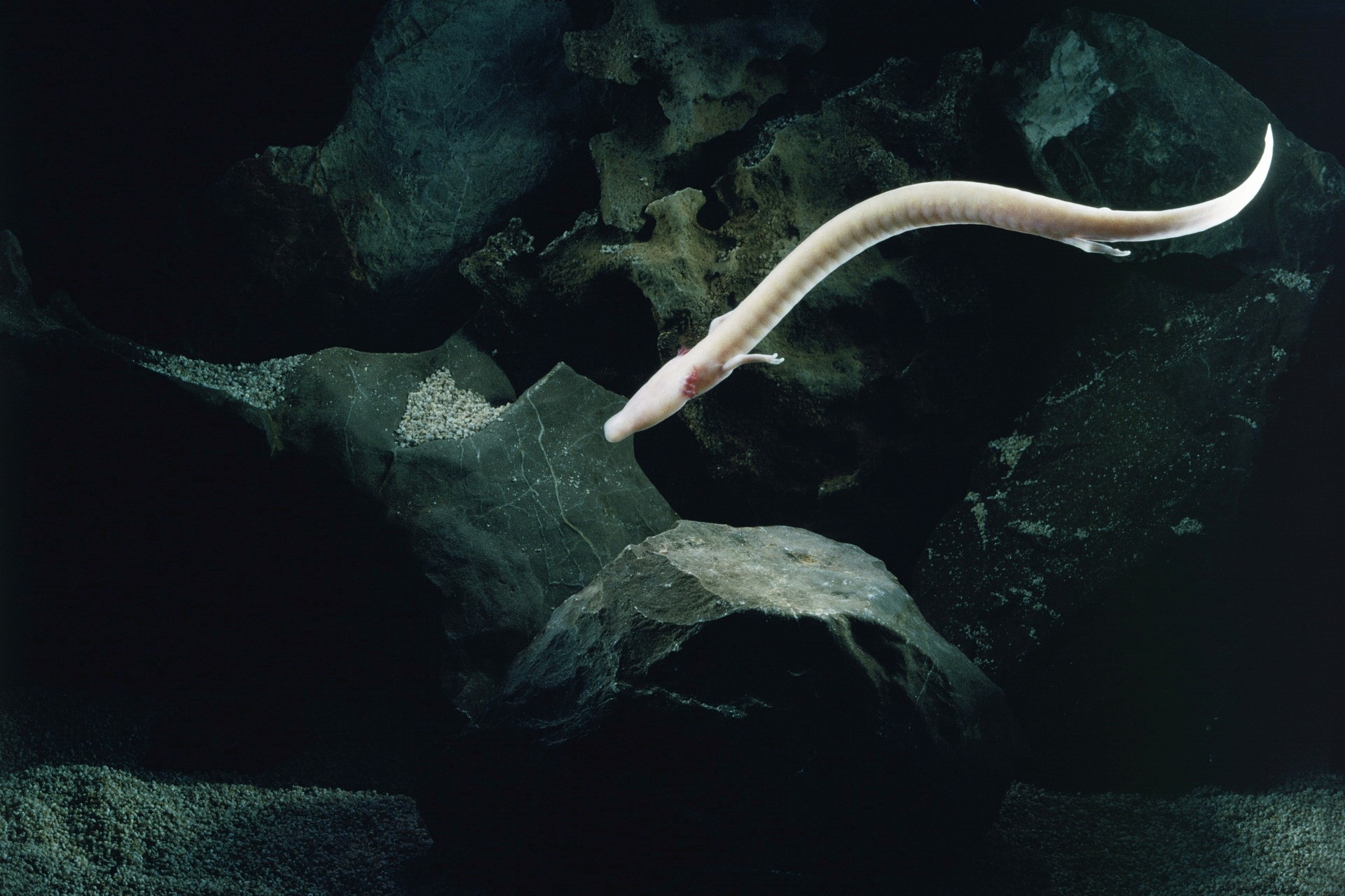
Caption: The olm (Proteus anguinus), an iconic cave-dwelling amphibian of the Dinaric Karst, is one of many species that depend on healthy groundwater ecosystems.
Credit: Arne Hodalič / Wikicommons
Yet much of this biodiversity remains poorly known. Some countries have only limited studies on groups, meaning the true diversity of subterranean life is likely far higher than currently documented. This knowledge gap matters: what we don’t measure, we can’t manage—especially in a region where groundwater systems are shared.
Managing the whole system, not just one habitat
Safeguarding biodiversity requires action that starts where ecosystems live—supported by cooperation, evidence, and long-term commitment. In shared karst aquifers, local measures and transboundary coordination go hand in hand.
In the Dinaric Karst, subterranean habitats, springs, rivers and groundwater-dependent wetlands function as one connected system. Protecting the biodiversity, we can’t easily see therefore depends on how we manage the groundwater pathways that sustain it—both locally and across borders. Monitoring helps identify pressures early and supports shared decisions on what to protect and where.
In practice, protecting groundwater-dependent ecosystems means reducing key pressures and managing shared water resources, for example by:
- protecting recharge areas from pollution and unsustainable land use;
- reducing pressures from untreated wastewater and waste disposal that can quickly spread through karst systems;
- managing abstraction to avoid disrupting groundwater levels and flows that ecosystems depend on (including vegetation directly dependent on groundwater); and
- strengthening transboundary coordination for the governance and protection of shared karst aquifers.
Building a harmonised approach to subterranean biodiversity monitoring
To help turn this “invisible” biodiversity into something that can be consistently tracked and protected, DIKTAS II project is developing a harmonised regional approach to subterranean biodiversity monitoring.
As a DIKTAS II biodiversity specialist explains: “You can’t protect what you can’t track. A shared method helps us see patterns across countries—not just snapshots in one place.”
The methodology under development will help countries monitor subterranean biodiversity in a more consistent and comparable way across the region. It will provide guidance on which habitats to prioritize, how to document environmental conditions, and how to collect and analyze biological samples in ways that support long-term monitoring and regional cooperation.
Crucially, effective biodiversity monitoring cannot stand alone. It must be interpreted alongside strong geological and hydrogeological understanding, because groundwater flow paths, connectivity, and human pressures all shape ecological health in karst environments.
Making the case for groundwater biodiversity protection
Groundwater ecosystems are often overlooked in conservation planning due to their complexity and connectivity with surface aquatic, terrestrial, and subterranean ecosystems. Yet the services they provide are anything but invisible: they help sustain springs, rivers and wetlands; support water quality and resilience; and host biodiversity of exceptional scientific and ecological value.
By helping countries better understand and monitor these hidden ecosystems, DIKTAS II contributes to broader efforts to protect biodiversity, strengthen groundwater resilience, and support healthier ecosystems for future generations.
Contact:
For more information, please contact Sinisa Sesum, Head of UNESCO Antenna in Sarajevo, s.sesum@unesco.org or Boban Jolović, DIKTAS II Project Manager, b.jolovic@unesco.org or Francesca Bampa, Science project officer, f.bampa@unesco.org.
Photos:
- Cover photo/banner image: Karst springs in the Dinaric region are part of highly connected groundwater systems that sustain ecosystems, biodiversity, and communities across borders. Credit: Ponor / Wikicommon
- Pic 1: The olm (Proteus anguinus), an iconic cave-dwelling amphibian of the Dinaric Karst, is one of many species that depend on healthy groundwater ecosystems. Credit: Arne Hodalič / Wikicommons