Strengthened Regional Cooperation for the Sustainable Management of Groundwater: DIKTAS II Mid-Term Results
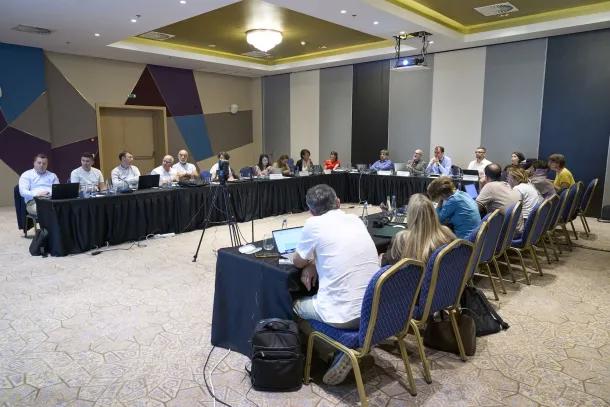
The fourth meeting of DIKTAS II experts and the third meeting of the DIKTAS II Steering Committee took place in Sarajevo, Bosnia and Herzegovina, on 8 to 10 July 2026. Representatives from Albania, Bosnia and Herzegovina, Croatia, and Montenegro met with UNESCO and UNDP to assess the work at the project's midpoint and agree on priorities for the period ahead.
Over 3 days, intensive discussions highlighted progress across the project's technical components, including groundwater monitoring, the state of the region’s biodiversity, water governance, legal cooperation, stakeholder engagement, and gender-focussed issues. Each is fundamental to the success of DIKTAS II, helping move towards a more integrated approach to managing the transboundary Dinaric Karst Aquifer System.
Analyses across the different fields demonstrated common governance challenges among the participating countries. Draft legal agreements continue to evolve with the support of national consultative bodies, while proposed monitoring networks are becoming increasingly detailed. All the processes described are carried out with a specific focus on groundwater management. UNESCO, through its Intergovernmental Hydrological Programme, provides scientific and technical expertise on groundwater and hydrology, while UNDP offers oversight of Global Environment Facility implementation, regional policy support, and quality assurance.
From Stocktaking to Action
The meeting also focused on the DIKTAS II’s next phase and formally requested an extension until 2028. Discussions centred on priorities for the coming year and the expected outcomes.
Experts committed to turning progress into concrete actions by strengthening karst system monitoring, finalising bilateral and multilateral agreements between the karst system countries, expanding training activities, and completing the Joint Action Programmes.
At the same time, participants stressed that this work must continue beyond the conclusion of DIKTAS II. The project must have a lasting legacy that ensures sustainable management of the aquifers for the years to come. Sustaining the results will require continued commitment and support from the participating countries to safeguard this shared water resource.
"The project Steering Committee and experts’ meeting is an opportunity to move from stocktaking to acceleration: to confirm where we stand, agree on what needs to be delivered next, and ensure that DIKTAS II fulfils its promise for the countries and for the shared Dinaric Karst Aquifer System."
Stamatios Christopoulos, Regional Technical Adviser for Water and Oceans, UNDP
Bridging Borders, Languages and Knowledge
A final point emerging from the meeting concerned communication and translation. As the Dinaric Karst Aquifer System spans multiple geographical and linguistic regions, research findings and technical details need to be translated and disseminated through clear documents that policymakers across the system can readily understand.
DIKTAS II recognises the challenge of communicating effectively beyond the specialist community, and so to address this, coordination between experts, national authorities, and project partners is supported by a dedicated communication taskforce.
Looking ahead, DIKTAS II will build on the progress achieved so far while addressing the work that remains to protect this vital transboundary water resource and support the communities that depend on it.
By convening governments, technical experts, and international partners, these meetings exemplified that safeguarding the Dinaric Karst Aquifer System, and any transboundary water resource, requires more than scientific expertise; it demands continuous collaboration and shared governance.
"Maintaining agreements with all relevant authorities will be essential to ensuring the project’s achievements endure beyond its formal completion."
Sinisa Sesum, Head of UNESCO Antenna in Sarajevo
Links
- UNESCO: https://unes.co/mvz99k
- Facebook: https://www.
facebook.com/VeniceOffice/ posts/strengthened-regional- cooperation-for-groundwater- sustainable-management-diktas- /1475815774589715/ - X: https://x.com/UNESCOVenice/
status/2090445775788495230 - Instagram: https://www.
instagram.com/stories/unesco_ venice/3967948649161813426? utm_source=ig_story_item_ share&igsi=MTg0OWx4eHFoc3M5eg= =
 Diktas II Mid-Term-Highlights