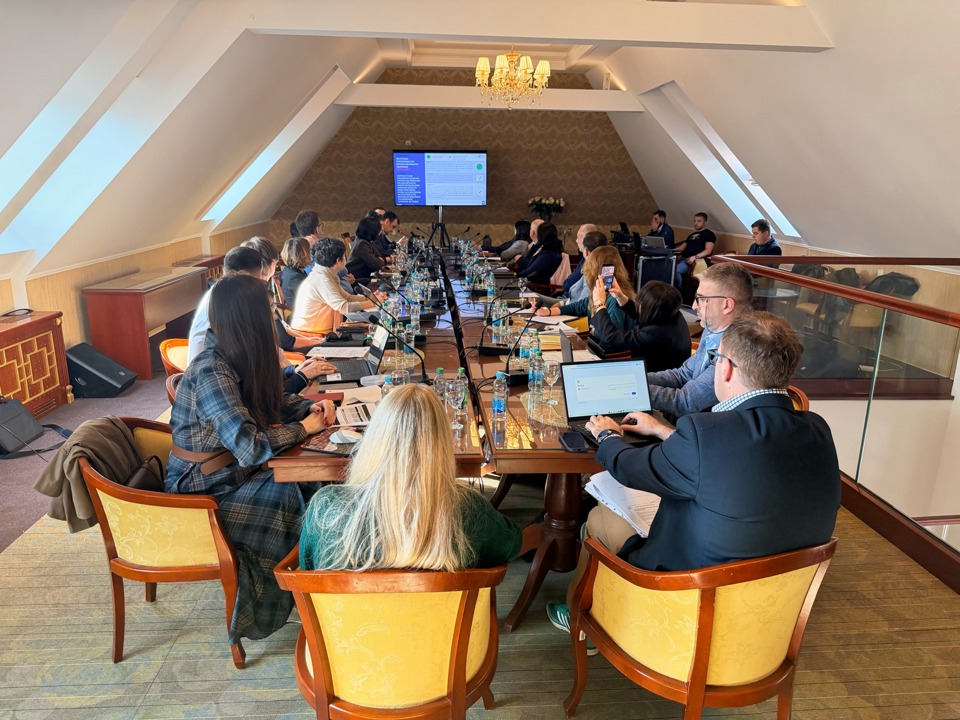
DIKTAS 3rd expert meeting in Trebinje, 16-17 March 2026
DIKTAS II experts align Year 2 priorities at Trebinje meeting
At the 3rd in-person DIKTAS II expert meeting in Trebinje, experts from Albania, Bosnia and Herzegovina, Croatia and Montenegro agreed on Year 2 priorities and a shared roadmap toward the mid-term review—strengthening coordination, monitoring and data exchange to better safeguard shared karst groundwater and dependent ecosystems.
Image suggestion (hero): Group photo from the Trebinje expert meeting (with caption + credits).
From cooperation “on paper” to cooperation in practice
In Trebinje, Bosnia and Herzegovina, UNESCO and national experts from Albania, Bosnia and Herzegovina, Croatia and Montenegro met for the 3rd in-person DIKTAS II expert meeting to advance coordination and agree on next steps for the project's second year, including a shared roadmap towards the mid-term review.
The Dinaric Karst Aquifer System is a shared groundwater resource, where pressures and risks extend across borders. Participants therefore focused on how to move from cooperation "on paper" to cooperation in practice — ensuring that joint commitments translate into coordinated action on the ground.
Image suggestion: Map/visual of the Dinaric Karst Aquifer System or meeting session photo (with caption + credits).
A clear priority emerged: turning technical work into operational, coordinated action. This includes aligning approaches to monitoring, improving data exchange, and strengthening cross-border coordination so that institutions can act on a shared and reliable evidence base.
A shared roadmap toward the mid-term review
A key outcome of the meeting was the agreement on a shared roadmap for the mid-term review. This will help take stock of progress, confirm priorities, and clarify how experts across countries will deliver the next phase of work through coordinated actions.
Discussions also highlighted that lasting protection of the aquifer depends on an enabling environment — not only strong science. Differences in technical capacity, gaps in long-term monitoring data, and fragmented governance arrangements continue to pose challenges. Addressing these issues is essential to ensure that shared objectives can be translated into consistent, day-to-day practices across borders.
Next steps
By bringing together countries and disciplines, the expert meeting provided a space to identify these gaps early, align expectations, and maintain momentum towards the project's mid-term review.
In the coming months, national experts will carry out targeted field missions to gather additional data, complement draft technical reports, and conduct interviews to capture perspectives from across the basin. These efforts will be supported by strengthened outreach, including the launch of the DIKTAS II website and the project's first newsletter.
Ultimately, DIKTAS II is about impact: supporting stronger groundwater governance and more resilient water management, while safeguarding drinking water supplies and groundwater-dependent ecosystems. By aligning approaches to monitoring, coordination and communication, countries are better equipped to protect this shared resource more effectively and equitably across the region.
Contact
Project contacts: Sinisa Sesum, Head of UNESCO Antenna in Sarajevo, s.sesum@unesco.org; and Boban Jolović, Project Manager, b.jolovic@unesco.org.
Social media
- X https://x.com/UNESCOVenice/
status/2039279627579928996?s= 20 - Facebook https://www.facebook.
com/share/p/189fRDM6ab/ - Instagram https://www.
instagram.com/unesco_venice/
 DIKTAS II Agenda